
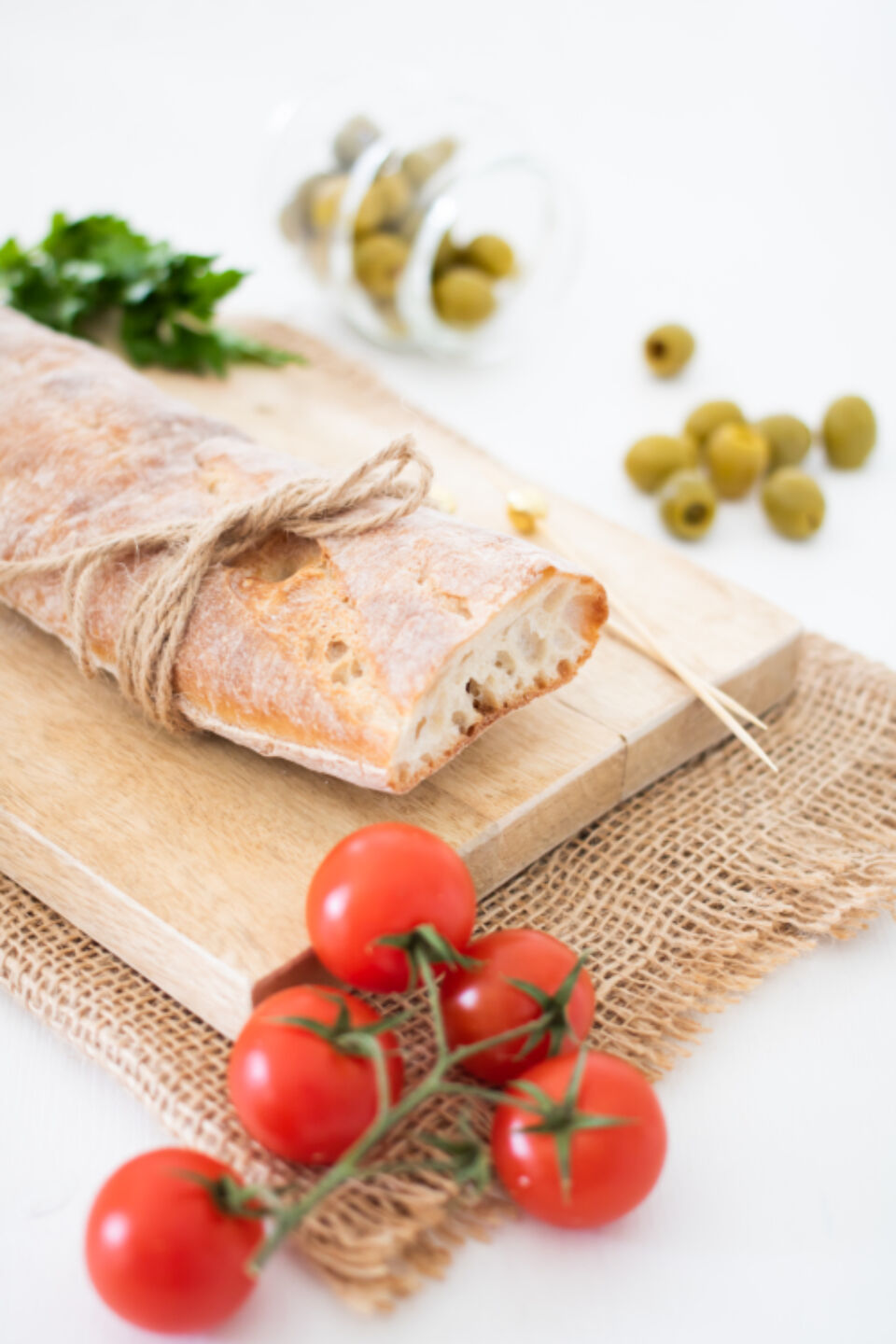
Getting More Fibre Into Everyday Meals
Fibre is one of those nutrients most of us know we should eat more of. Few of us stop to think about where it actually comes from. The answer is simple. Fibre comes from plants, so the more whole plant foods on your plate, the more fibre you eat.
This guide looks at what fibre is and how much adults need. It also covers easy ways to add more of it to the meals you already cook. The figures here come from healthdirect, the Australian Government health information service. None of it calls for special products or expensive ingredients.
What fibre is and why it matters
Fibre is a type of carbohydrate found in plant foods. Healthdirect explains that the small intestine cannot break it down. Instead it passes through to the lower gut, where bacteria digest it. That is where much of its good work happens.
According to healthdirect, eating plenty of fibre may lower the risk of several health problems. These include obesity, type 2 diabetes, heart disease, high cholesterol and bowel cancer. Fibre can also help with constipation and haemorrhoids. Foods rich in fibre help you feel full too, which can make it easier to keep a healthy weight.
The three main types of fibre
Not all fibre behaves the same way. Healthdirect describes three main types. Healthdirect suggests getting different types of fibre from a variety of plant foods. A wide mix of plant foods on your plate is the easiest way to get all three.
Soluble fibre
Soluble fibre dissolves in water. You find it in oats, barley, legumes, fruit and vegetables. Healthdirect says soluble fibre, as part of a diet low in saturated fat, can help lower blood cholesterol. It can also help keep blood glucose steady in people with diabetes.
Insoluble fibre
Insoluble fibre does not dissolve in water. Good sources are wholegrain breads and cereals, nuts and seeds and the skins of fruit and vegetables. This type of fibre softens stools. It helps keep bowel movements regular.
Resistant starch
Resistant starch is less well known. It is starch that the body does not easily absorb. Healthdirect lists slightly undercooked pasta, cooked and cooled potatoes, beans, lentils and bananas that are not fully ripe. It ferments in the bowel and produces substances that help keep the bowel lining healthy.
How much fibre adults need
Healthdirect gives a daily target of 25g of fibre for women and 30g for men. It also notes that most Australians eat less than this. There is no upper limit for fibre. Healthdirect recommends getting it from whole foods rather than supplements.
Counting grams every day is not very practical. A better guide is to meet the food group serves in the Australian Dietary Guidelines. Healthdirect lists at least 2 serves of fruit and at least 5 serves of vegetables, including legumes, each day. Adults aged 19 to 50 should aim for 6 serves of wholegrain foods a day.
One serve of grain food is smaller than many people expect. Healthdirect gives examples such as one slice of wholegrain bread or half a medium wholemeal roll. Half a cup of cooked brown rice, pasta, noodles or porridge also counts. So does a quarter cup of untoasted muesli.
Simple swaps in the kitchen
The easiest changes are swaps rather than new recipes. You keep cooking the meals your family likes. You just choose the version of each ingredient that holds on to more of the plant. Here are some ideas drawn from the healthdirect advice.
- Choose wholegrain, wholemeal or mixed grain bread instead of white bread.
- Cook with wholemeal pasta and use brown rice or quinoa in place of white rice.
- Thicken sauces, gravies and stews with wholemeal flour.
- Snack on wholegrain or seeded crispbreads with a vegetable dip.
- Read the nutrition information panel on packaged foods to compare fibre.
Leaving the skins on is another quick win. Scrub potatoes, carrots and apples rather than peeling them. Skins are a source of insoluble fibre. They also save you a job at the chopping board.
Building fibre into everyday meals
Breakfast is a good place to start. A bowl of porridge made with rolled oats gives you soluble fibre. Add some fruit on top for more. Wholegrain toast with a spread of nut butter is another easy choice.
Legumes are one of the most useful foods for fibre. Lentils, chickpeas and beans can bulk out a mince sauce or a curry. They also make a good main ingredient on their own. If you are trying to cut back on red meat, our guide on how to eat less meat has more ideas for plant based meals.
Soups are an easy way to pack in vegetables and legumes in the cooler months. A pot of vegetable and barley soup or lentil soup goes a long way. Start with a good stock as the base. Our article on broths in winter covers why a warming broth is worth making.
In warmer weather, salads can carry a lot of fibre. Toss through chickpeas, cooled brown rice or a handful of seeds. Cooked and cooled potatoes in a potato salad add resistant starch. You will find more inspiration in our collection of light summer meals for the whole family.
Increasing fibre comfortably
Eating more fibre can lead to more wind. Healthdirect says this is normal. Many people find it easier to add fibre bit by bit over a few weeks. That gives your gut time to adjust.
Fluids matter as well. Healthdirect notes that fibre absorbs fluid, so you need to drink enough liquid, including water. Keeping a jug of water on the table at meals makes this easy. Our piece on foods and drinks for white teeth explains which drinks to go easy on.
Finally, keep an eye on the rest of the plate. Healthdirect advises limiting foods high in processed fats, added salt or added sugar. A packaged snack can carry a fibre claim and still be high in these. Whole foods are usually the safer bet.
Frequently asked questions
How much fibre should I eat each day?
Healthdirect gives a daily target of 25g for adult women and 30g for adult men. Most Australians fall short of this. Meeting your daily serves of fruit, vegetables and wholegrains is the simplest way to get there.
Are fibre supplements as good as food?
Healthdirect recommends whole foods over fibre supplements. Whole foods give you a mix of fibre types along with other nutrients. If you are thinking about a supplement, ask your doctor or pharmacist first.
Can you eat too much fibre?
Healthdirect says there is no upper limit for fibre. Eating a lot more than usual can cause wind, which is normal. Increasing slowly and drinking enough water can make the change more comfortable.
Which foods contain resistant starch?
Healthdirect lists slightly undercooked pasta and cooked potatoes that have been cooled. Beans, lentils and bananas that are not fully ripe are also sources. Potato salad and pasta salad are two easy ways to include it.
For the full details on fibre types and serve sizes, see the healthdirect guide to high fibre foods and diet. It is a reliable starting point for planning meals. Your GP or a dietitian can help if you have a health condition that affects what you eat.
This article is general information only and is not medical advice. Please speak with your doctor, an accredited practising dietitian or another qualified health professional about your own diet and health.